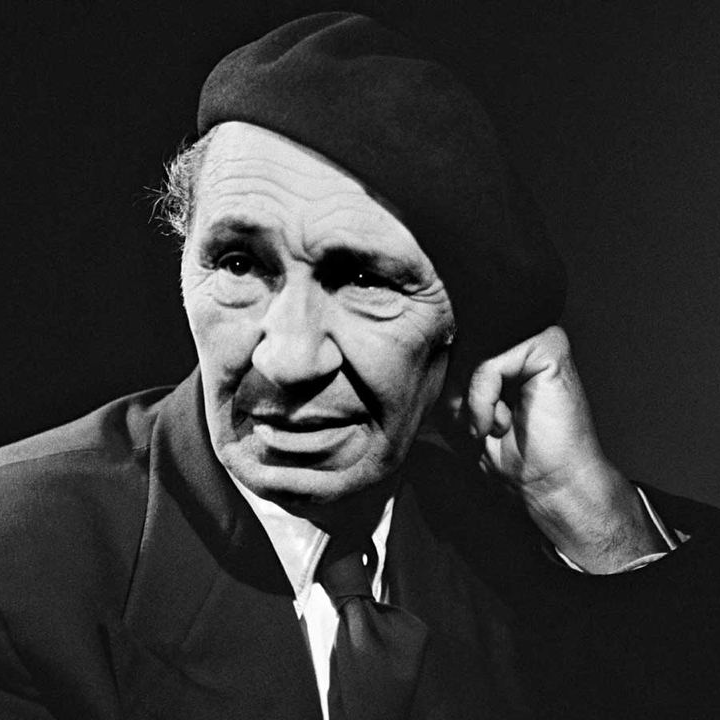
in the 1840s, at vienna's largest hospital, women about to give birth ended up in one of two wards: the first ward, run by doctors, and the second, run by midwives. women cried and begged not to be put in the first, and some, purely to avoid ending up there, gave birth in the street and came to the hospital only afterward. they weren't wrong to, either; in the doctors' ward the death rate from puerperal fever climbed as high as ten percent, while in the midwives' ward it was two or three. the young doctor ignaz semmelweis became fixated on this difference. the turning point came when his friend kolletschka cut his hand with a scalpel during an autopsy and died with the exact same clinical picture as puerperal fever. the pieces fell into place: in the morning the doctors were dissecting cadavers, and in the afternoon they were delivering babies without washing their hands. the midwives never touched cadavers at all. semmelweis made handwashing with chlorinated lime mandatory, and the deaths dropped to one percent.
what came after is one of the most shameful pages in the history of medicine. his colleagues took offense, saying "a gentleman's hands can't be dirty"; since germ theory didn't exist yet, the talk of "cadaver particles" was treated like superstition. nobody wanted to admit they'd spent years killing patients with their own hands, that's all there was to it. semmelweis lost his job, and the more he wrote letters calling europe's famous doctors "murderers," the more isolated he became, until he was finally locked away in an insane asylum. there, a wound opened by a beating from the guards got infected, and within two weeks he was dead. from the very thing he'd devoted his life to describing, that is. the semmelweis reflex comes from this story: the reflexive rejection of new knowledge that contradicts established belief, no matter how solid the evidence. pasteur and lister proved the man right twenty years later, but by then it was too late.
top: all
|
today
search in topic