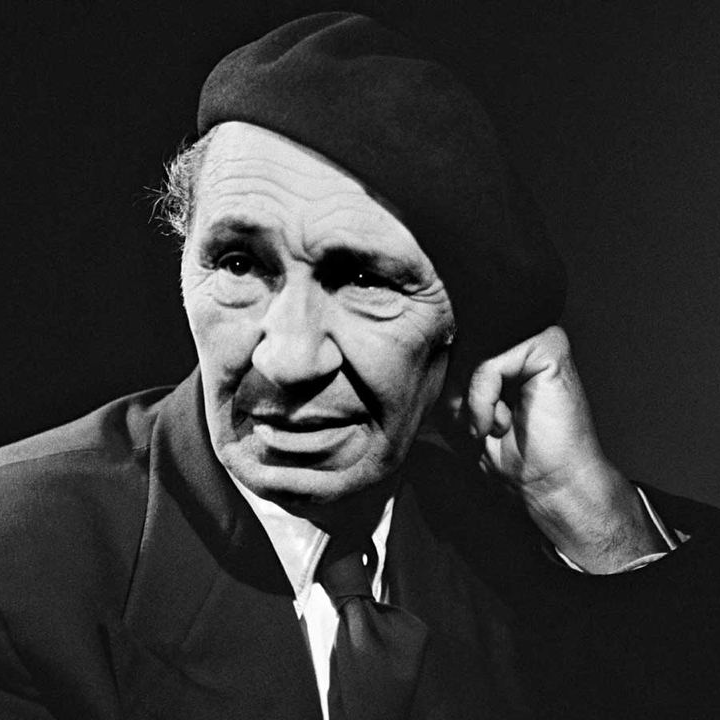
one of those rare people who somehow managed to spend his life thinking about the most abstract questions imaginable while constantly getting involved in very real political fights.
he helped build the foundations of modern analytic philosophy and mathematical logic, coauthored principia mathematica, won the nobel prize in literature, went to prison for his antiwar activism, and later became one of the loudest intellectual voices against nuclear weapons.
what i find most interesting about russell is that he never treated intelligence as an excuse to become detached from the world.
he could spend years asking whether mathematics could be reduced to logic, then turn around and argue about war, education, religion, freedom, sex, marriage, and how people should actually live.
basically, the kind of philosopher who refused to stay in the philosophy department.
top: all
|
today
search in topic
-
-
what i like most about russell is that he treated certainty almost like a character flaw.
he seemed deeply suspicious of anyone who was too sure about politics, religion, morality, or even their own intelligence.
for him, being rational did not mean having an answer for everything. it meant being willing to say, “i might be wrong,” and still continuing to think seriously.
that sounds obvious, but it is surprisingly rare.
most people use intelligence to defend what they already believe.
russell used it to make himself uncomfortable.