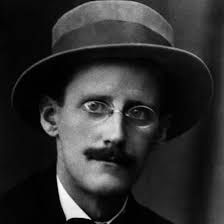
an ottoman born tobacco entrepreneur from manisa, turkey who became a new york millionaire and left behind a hospital in the city where he was born.
born musa eskenazi in 1855 to a sephardic jewish family, he left manisa as a teenager, learned the tobacco trade in alexandria, then moved to the united states and built schinasi brothers with his brother solomon.
their business imported turkish tobacco and became hugely successful. at one point, around 200 jews from manisa reportedly worked in their new york operation. in 1906, sultan abdülhamid ii awarded schinasi the fourth class order of the medjidie.
he later lived in a marble mansion on riverside drive designed by william tuthill, the architect of carnegie hall. image
but the most interesting part of his story came after his death in 1928.
schinasi left $1 million to establish a hospital in manisa. only $200,000 was meant for construction and equipment. the remaining $800,000 was preserved as an endowment to help keep the hospital running.
his widow helped carry out the plan, and the hospital opened in 1933.
noteworthy entries of this week (5)
-
morris schinasi
-
amedeo preziosi
a maltese nobleman whose father wanted him to become a lawyer, so naturally he moved to constantinople and spent the next forty years painting street vendors, coffeehouses, markets, costumes, and everyday ottoman life instead.
before photography made cities endlessly reproducible, preziosi was basically producing hand painted snapshots of istanbul for european travelers. his studio in pera became so well known that even the future king edward vii stopped by and bought his watercolors.
he also worked as a dragoman for foreign embassies and became so associated with the city that ottoman art writers later treated him almost as one of their own painters.
a foreigner who came to paint istanbul and ended up becoming part of its visual memory. -
post-truth
a world where facts still exist, but they have lost their monopoly on reality.
people do not necessarily believe what is true. they believe what feels true, what fits their identity, what confirms what they already think, or what gets repeated often enough to become familiar.
that is what makes post truth so dangerous.
the lie does not have to defeat the truth.
it just has to make the truth feel optional. -
perfume the story of a murderer
years have passed and i still haven’t forgotten this movie.
some films you simply watch. others stay in your head like a scent.
this one stayed with me less as images and more as a smell. -
john d. rockefeller
i’m reading ron chernow’s biography titan: the life of john d. rockefeller, sr.
rockefeller was about as capitalist, conservative, and monopolistic as it gets. at one point he was hated across america and became almost a symbol of the ugliest side of capitalism.
and yet, at the same time, he had been giving money away since he was basically a teenager. throughout his life he helped countless people and institutions, donated heavily to medicine and public health, and funded schools, foundations, and projects that ended up having a real impact on society.
when it came to standard oil and money, though, he was ruthless.
he bribed people, made secret deals, crushed competitors, manipulated transportation rates, and used every advantage he could get. but strangely enough, even during the gilded age, he never really embraced the kind of absurd luxury you would expect from someone that rich. by billionaire standards, his personal life was relatively restrained.
i’m not here to praise rich people, but compared with people like elon musk and jeff bezos today, rockefeller almost comes across as mild.
what makes it even stranger is that despite all the philanthropy he did because of his own beliefs and religious convictions, he never really managed to win over the public, and all his wealth still could not stop standard oil from being broken up.
today’s billionaires seem to operate in a completely different environment.
they can cut public programs, influence politics, involve themselves in other countries’ affairs, launch cars into space, try to shut down parts of cities for private events, and generally behave in ways that would have looked outrageous even by gilded age standards.
and somehow, millions of people still cheer them on.
that might be the strangest part.